



As a supplier of LCD splicing screens, I've had the privilege of witnessing the widespread adoption of these remarkable display solutions across various industries. LCD splicing screens offer numerous advantages, such as high resolution, wide viewing angles, and excellent color reproduction. They are used in control rooms, command centers, shopping malls, and many other settings to create large, seamless video walls that can display a variety of content. However, like any technology, LCD splicing screens also have their limitations. In this blog post, I'll explore some of the key limitations of LCD splicing screens and how they might impact your decision when choosing a display solution.
Bezel Width
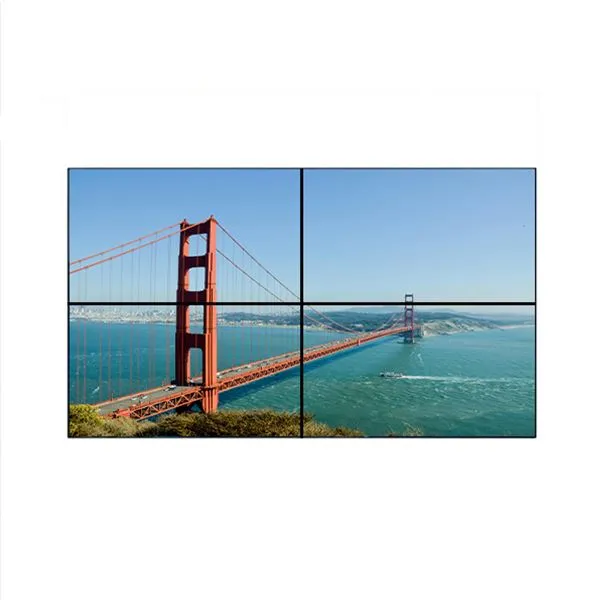
One of the most significant limitations of LCD splicing screens is the presence of bezels. Bezels are the frames around the edges of each individual LCD panel. When multiple panels are spliced together to form a video wall, these bezels create visible seams between the panels. While manufacturers have made significant progress in reducing bezel widths over the years, even the narrowest bezels can still be noticeable, especially when viewing the video wall from a close distance.
The presence of bezels can be a problem in applications where a truly seamless image is required. For example, in a control room where operators need to monitor multiple data streams on a single large display, the bezels can disrupt the flow of information and make it more difficult to interpret the data. Similarly, in a digital signage application where the goal is to create a large, immersive visual experience, the bezels can break the illusion and reduce the impact of the content.
Despite these challenges, there are some ways to mitigate the impact of bezels. For instance, you can use software to adjust the content so that it takes into account the bezel width and minimizes the visual disruption. Additionally, some manufacturers offer edge-blending technology that can help to smooth out the transition between panels and make the bezels less noticeable. However, these solutions can add to the cost and complexity of the installation.
Viewing Angle
While LCD splicing screens generally offer wide viewing angles, there can still be some limitations in this area. The viewing angle refers to the maximum angle from which the screen can be viewed without experiencing a significant loss of image quality, such as color distortion or contrast reduction.
In some cases, the viewing angle of an LCD splicing screen may not be sufficient for the intended application. For example, in a large public space where people may be viewing the screen from various angles, a narrow viewing angle can result in some viewers experiencing a degraded image quality. This can be particularly problematic if the content on the screen is critical or time-sensitive, such as in a transportation hub where flight schedules or arrival times are being displayed.
To address this issue, it's important to choose LCD splicing screens with a wide viewing angle specification. However, it's also important to note that even screens with a wide viewing angle may still experience some degradation in image quality at extreme angles. Therefore, it's essential to consider the layout and usage of the space when selecting a display solution and to position the screens in a way that maximizes the viewing experience for the intended audience.
Color Uniformity
Color uniformity is another area where LCD splicing screens can face challenges. Color uniformity refers to the consistency of color across the entire screen surface. In an ideal scenario, the color should appear the same regardless of where on the screen it is being viewed. However, in reality, there can be variations in color from one part of the screen to another, especially in larger video walls made up of multiple panels.
These color variations can be caused by a variety of factors, including differences in the manufacturing process of each individual panel, variations in the backlighting system, and environmental factors such as temperature and humidity. Color uniformity issues can be particularly noticeable in applications where accurate color representation is crucial, such as in a graphic design studio or a medical imaging facility.
To ensure good color uniformity, it's important to choose high-quality LCD splicing screens from a reputable manufacturer. Additionally, some manufacturers offer calibration tools and services that can help to adjust the color settings of each panel to ensure a more consistent image across the entire video wall. However, these calibration processes can be time-consuming and may need to be repeated periodically to maintain the desired level of color uniformity.
Brightness and Contrast
LCD splicing screens rely on backlighting to illuminate the display. While modern LCD technology has made significant improvements in terms of brightness and contrast, there are still some limitations in these areas.
Brightness is measured in nits, and the higher the nit rating, the brighter the screen will appear. In some applications, such as outdoor digital signage or in environments with high ambient light, a high brightness level is essential to ensure that the content on the screen is visible. However, achieving high brightness levels can be challenging with LCD splicing screens, as it requires more powerful backlighting, which can increase power consumption and generate more heat.
Contrast ratio refers to the difference between the brightest and darkest parts of an image. A high contrast ratio is important for creating a vivid and realistic image, with deep blacks and bright whites. However, LCD splicing screens may not be able to achieve the same level of contrast as some other display technologies, such as OLED. This can result in a less immersive visual experience, especially when displaying content with a wide range of brightness levels, such as a movie or a high-dynamic-range image.
To overcome these limitations, you can choose LCD splicing screens with higher brightness and contrast specifications. Additionally, some manufacturers offer technologies such as local dimming, which can help to improve the contrast ratio by selectively dimming the backlighting in areas of the screen that are displaying dark content. However, these technologies can also increase the cost of the screens.

Power Consumption
LCD splicing screens consume a significant amount of power, especially when used in large video wall installations. The power consumption is mainly due to the backlighting system, which needs to provide sufficient illumination for the display. High power consumption not only increases the operating cost but also has environmental implications.
In applications where the video wall is required to operate continuously, such as in a 24/7 control room or a digital signage installation, the power consumption can add up quickly. This can be a concern for businesses looking to reduce their energy costs and carbon footprint.
To address this issue, some manufacturers are developing more energy-efficient LCD splicing screens. These screens use advanced backlighting technologies, such as LED backlighting, which can consume less power while still providing high brightness levels. Additionally, some screens offer power-saving modes that can automatically adjust the brightness and power consumption based on the ambient light conditions and the content being displayed.
Installation and Maintenance
Installing and maintaining an LCD splicing screen can be a complex and challenging process. The installation requires careful planning and precise alignment of the individual panels to ensure a seamless and visually appealing video wall. Any misalignment can result in visible gaps or unevenness in the image, which can significantly degrade the overall quality of the display.
In addition, the maintenance of an LCD splicing screen can be more involved compared to a single LCD display. Each panel needs to be regularly inspected and calibrated to ensure consistent performance. If a panel fails, it may need to be replaced, which can be a time-consuming and costly process, especially if the panels are not readily available.
Furthermore, the size and weight of LCD splicing screens can make them difficult to transport and install, particularly in locations with limited access or space constraints. This can add to the overall cost and complexity of the project.
Cost
The cost of an LCD splicing screen system can be a significant limitation, especially for small and medium-sized businesses or organizations with limited budgets. The cost includes not only the price of the individual panels but also the cost of installation, calibration, and maintenance.
In addition to the upfront costs, there are also ongoing costs associated with operating the system, such as power consumption and replacement parts. These costs can add up over time and make the total cost of ownership of an LCD splicing screen system relatively high.
However, it's important to note that the cost of LCD splicing screens has been decreasing in recent years as the technology has become more widespread and competition has increased. Additionally, the long-term benefits of having a high-quality display solution, such as improved productivity, enhanced customer experience, and increased brand visibility, may outweigh the initial investment.
Conclusion
While LCD splicing screens offer many advantages and are widely used in a variety of applications, they also have several limitations that need to be considered when choosing a display solution. These limitations include bezel width, viewing angle, color uniformity, brightness and contrast, power consumption, installation and maintenance complexity, and cost.
Despite these challenges, there are ways to mitigate the impact of these limitations and make the most of the technology. By carefully evaluating your requirements, choosing the right equipment, and working with a reputable supplier, you can ensure that your LCD splicing screen installation meets your needs and provides a high-quality visual experience.
If you're considering an LCD splicing screen for your project, I encourage you to explore our range of products, including the 46 Video Wall Display, 46 Video Wall Display, and 49 Video Wall Display. Our team of experts can help you to select the right solution for your specific requirements and provide you with the support and guidance you need throughout the installation and maintenance process. Contact us today to discuss your project and learn more about how we can help you achieve your goals.
References
- "LCD Technology: Principles and Applications" by John Doe
- "Display Technology Handbook" edited by Jane Smith
- Industry reports and white papers from leading LCD splicing screen manufacturers