



Hey there! I'm a supplier of Metro Screen Doors, and I've been in this business for quite some time. One question that often pops up is how the installation requirements differ between underground and above - ground stations for these screen doors. So, let's dive right in and explore this topic.
Environmental Considerations
First off, we've got to talk about the environment. Underground stations are a whole different ballgame compared to above - ground ones.
Underground Stations
Underground stations are typically more humid and have less natural ventilation. The lack of fresh air circulation can lead to a build - up of moisture, which is a big no - no for Metro Screen Doors. We need to make sure that the doors we install are resistant to corrosion. That means using high - quality materials that can withstand the damp conditions. For example, stainless steel is a popular choice as it's highly resistant to rust.
Also, the temperature in underground stations tends to be more stable throughout the year. But, it can still get pretty warm during peak hours when there are a lot of people in the station. This heat can put stress on the electronic components of the screen doors. So, we need to ensure that the doors have proper heat dissipation systems.
Above - Ground Stations
Above - ground stations are exposed to the elements. They face direct sunlight, rain, snow, and wind. The sunlight can cause the doors to heat up, and UV rays can damage the materials over time. We use special coatings on the doors to protect them from UV radiation. These coatings not only prevent the doors from fading but also help in reducing heat absorption.
Rain and snow are another concern. The doors need to be waterproof and able to drain water effectively. We design the doors with sloped edges and drainage holes to ensure that water doesn't accumulate. Wind can also be a factor, especially in open - air stations. The doors need to be sturdy enough to withstand strong gusts. We use reinforced frames and strong locking mechanisms to keep the doors in place.
Structural Requirements
The structure of the station also plays a huge role in the installation of Metro Screen Doors.
Underground Stations
Underground stations usually have a more confined space. The walls and floors are often made of concrete, which provides a solid base for the installation. However, the installation process can be more challenging due to limited access. We may need to use specialized equipment to lift and position the doors.
The alignment of the doors is crucial in underground stations. Since the space is limited, any misalignment can cause problems with the operation of the doors. We use laser alignment tools to ensure that the doors are perfectly straight and level.
Above - Ground Stations
Above - ground stations may have a more open layout, but the structure can be more complex. Some stations are built on elevated platforms, which means we need to consider the height and stability of the installation. We work closely with the architects and engineers to ensure that the platform can support the weight of the doors.
The foundation of the above - ground stations may not be as solid as underground ones. In some cases, we may need to reinforce the foundation before installing the doors. This could involve adding additional support beams or footings.
Electrical and Communication Requirements
The electrical and communication systems are essential for the proper functioning of Metro Screen Doors.
Underground Stations
Underground stations often have a complex electrical system. There are many other electrical devices in the station, such as lighting, ventilation, and signage. We need to ensure that the screen doors are integrated into the existing electrical system without causing any interference.
The communication between the doors and the station control system is also crucial. In underground stations, the signal may be weaker due to the thick concrete walls. We use repeaters and signal boosters to ensure that the communication is reliable.

Above - Ground Stations
Above - ground stations may have a simpler electrical system, but they are more exposed to electrical hazards such as lightning. We install lightning protection systems on the doors to prevent damage from electrical surges.
The communication systems in above - ground stations also need to be reliable. Since the stations are open, there may be more interference from other wireless devices. We use advanced encryption and frequency - hopping techniques to ensure secure and stable communication.
Safety and Accessibility Requirements
Safety and accessibility are top priorities in both underground and above - ground stations.
Underground Stations
In underground stations, safety is of utmost importance due to the confined space. The screen doors need to have emergency release mechanisms in case of an evacuation. These mechanisms should be easy to access and operate.
Accessibility is also a key factor. We ensure that the doors are wide enough to accommodate wheelchairs and strollers. The doors also need to have audible and visual signals for people with disabilities.
Above - Ground Stations
Above - ground stations also need to meet high safety standards. The doors should be able to open quickly in case of an emergency. We conduct regular safety tests to ensure that the doors are functioning properly.
Accessibility is equally important in above - ground stations. We make sure that the doors are easy to use for all passengers, including those with disabilities.
Additional Features
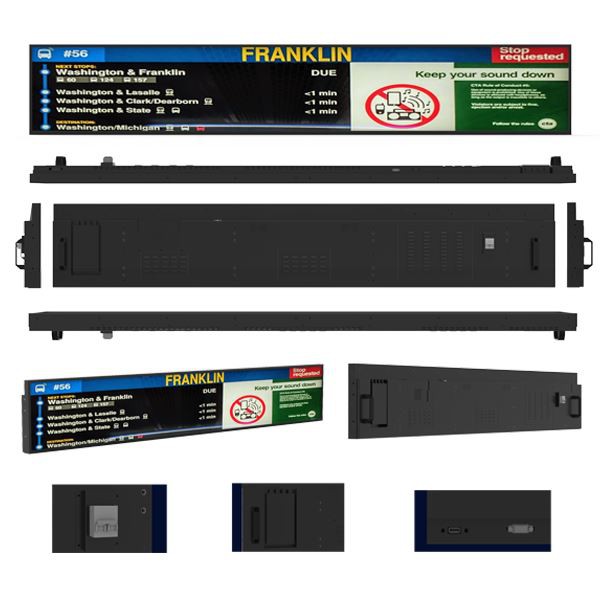
Now, let's talk about some additional features that can be added to Metro Screen Doors. For instance, Double Sided LCD Screen can be integrated into the doors. These screens can display real - time information such as train schedules, station announcements, and advertisements. They are a great way to keep passengers informed and engaged.
We also offer LCD Shelf Display options. These displays can be used to show product information or promotions. They are a great addition to the station environment.
Conclusion
As you can see, there are significant differences in the installation requirements between underground and above - ground stations for Metro Screen Doors. Each type of station presents its own set of challenges, but with the right design and installation techniques, we can ensure that the doors work effectively and safely.
If you're in the market for Metro Screen Doors, whether for an underground or above - ground station, I'd love to have a chat with you. We can discuss your specific needs and come up with the best solution for your project. Don't hesitate to reach out for more information and to start the procurement process.
References
- Industry standards for Metro Screen Door installation
- Case studies of previous Metro Screen Door installations in underground and above - ground stations
- Technical reports on the effects of different environmental conditions on screen door materials and components